Marmalades

Found the missing birthday presents, so I get to compare the Dundee and the Chivers ginger marmalade head-to-head.  The Dundee was what we used for decades, before we stopped keeping such things around (stopped doing biscuit breakfasts, I guess).
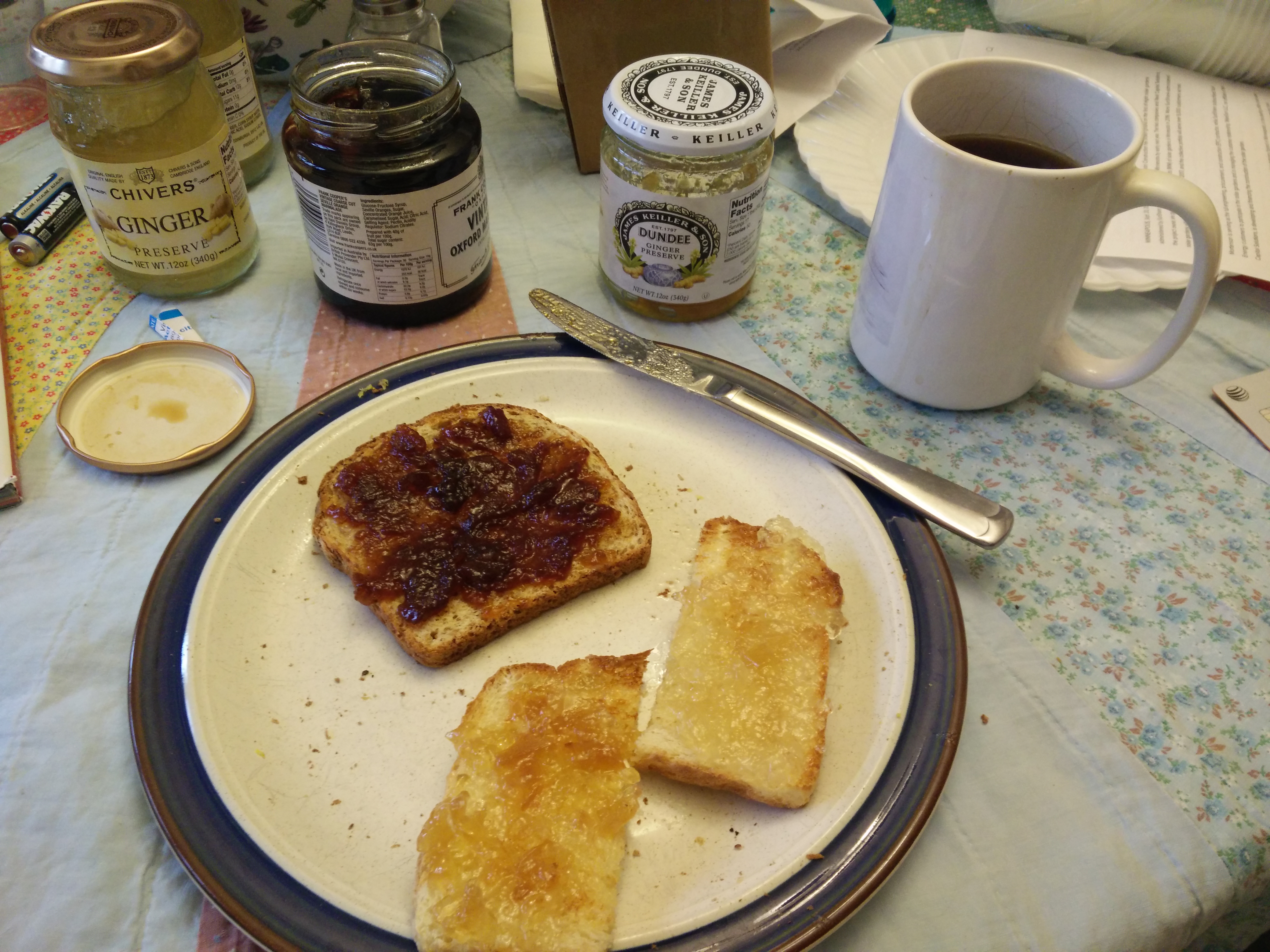
Several marmalades
Several marmalades

The Chivers is a bit lighter in shade and seems to have less solid ginger in it. The flavor is rounder and mellower, and has essentially no trace of “sharp” to it.

The Dundee is not as good as I remember it being. Memory of flavors over decades are not reliable, and people mostly lose taste sensitivity as they get older, so this doesn’t really prove a change in the marmalade, however. Still, I prefer it to the Chivers.  Unfortunately it seems to be hard to get; Lydy had to buy a batch of six jars to get it from Amazon (so it’s a good thing I still like it).

(Incidentally, I’ve now received well over a dozen jars of preserves from Amazon in many separate orders, not not one single jar got broken. I’m sure some do, but it appears to be pretty rare.)

One reason I’m buying these things from Amazon is that it’s much harder to find them in stores locally than it used to be, both regular grocery stores and specialty shops.

(The Frank Cooper vintage orange is present because it was one of the missing birthday presents that was finally turned up.)
Survivorship Bias

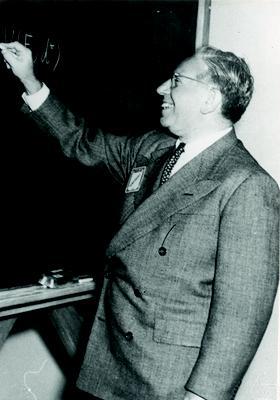
Abraham Wald
Abraham Wald

Abraham Wald is the mathematician who took one look at the charts showing where planes getting back from missions had been damaged, and realized that the parts that needed extra protection were the undamaged areas.

Great article (from 2013) on “survivorship bias”, including the Abraham Wald story and quotes from Mike Johnston’s The Online Photographer, here.

Note to self: maybe I should keep track of David McRaney.

Tracking tech may have reached a useful point.

I’m liking the specs of Trackr.

This avoids the deal-breakers I’ve seen—it’s not a one-year subscription for example, or a one-battery-life subscription, you can replace the batteries yourself.

It supports short-range location directly from my phone (Bluetooth). It supports distance measurement (not sure how accurate; but one of my use-cases I want to try is setting an alarm when my camera gets too far away).

There’s one area in which, to be really good, there has to be one winner—or at least, a dense enough crowd of each of several competitors to be useful.  It supports long-range location via crowd-sourcing; anybody running their app who gets near my tag will send the GPS info to their servers anonymously.  Something like this seems unavoidable, because the cost and battery-life consequences of having the discreet little tag able to communicate over long distances seem intractable.

Dunno if their app is good enough, or if the device is actually good enough, etc.  But I don’t yet know what “good enough” is anyway; I need experience with a device in this field to get my preferences clear.

MidAmeriCon II Video Archeology

I’m just back from this year’s Worldcon in Kansas City. I’ve been working on the Video Archeology project, doing restoration and editing on video transferred from the many boxes of tapes in the Scott Imes Video Archive (Geri Sullivan is running the project).

This has been a blast, and I’m looking forward to finishing up and seeing the results on the FANAC Fan History channel on YouTube.

We had two big visible wins at and around the con.

This year’s Hugo Presenter, Pat Cadigan, wanted to use clips from our video to bracket this year’s Hugo ceremony, showing her assisting Bob Tucker at the Hugo ceremony 40 years ago at the first MidAmeriCon.  They looked remarkably good up on the huge mainstage screens (given that the original footage was standard-definition video and fairly badly underexposed).

And the Kansas City Star used the clips we made available to them of the Star Wars Q&A session, cut together with movie footage of what was being described, on the kansascity.com web site here (don’t know how long links remain valid there).