Preliminary results suggest that I had a good time.
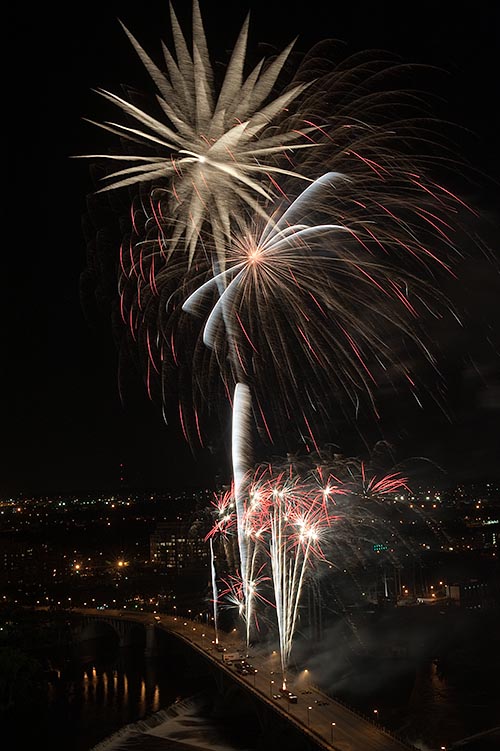
ETA: Click through to gallery with additional photos.
Preliminary results suggest that I had a good time.
ETA: Click through to gallery with additional photos.
Again :-). Generally, I’ve found buying camera gear is more likely to cause me remorse than selling it, so I’m moving out some more things, including my D200 body, my Nikkor 17-55mm f/2.8 lens, my Fuji F11 point & shoot, and (not listed yet, but will go up tomorrow afternoon) my Tokina 12-24mm f/4 wideangle zoom for DX cameras. Buy the D200 and both lenses and you’ve got a decent start, though you’ll want to add a 70-200/2.8 and an SB-800 flash soon.
The auctions should all show up at here.
ETA: Thanks to everybody who expressed interest. Both batches of film have found new homes.
There’s somewhat more of it than I thought, in fact. Since I don’t have any 35mm or 120 film bodies any more (haven’t for some years now), it only makes sense to move this out too.
I guess I’ll split it by format—120 and 35mm. Each batch to the first person to ask, you pay shipping (or pick up in person; I’m in Minneapolis).
This film has been stored in the freezer since new. I imagine it’s mostly outdated—yep, the first rolls I glanced at were 1995 expirations, the next 2001. But they’ve been in the freezer mostly, they should be fine. At this price, though, no guarantee!
I would strongly suggest that domestic shipping be via second-day air or faster; this is not the season to be rolling around in a truck in the sun, not for film.
Kodachrome processing will be available for a while, they say through the end of next year, from Dwayne’s Photo in Kansas. The rest of the film is still easy to get processed, even if you don’t do your own.
I ask that whoever gets this use it to take pictures, or pass it on to others for that purpose; not just to use as elements in a sculpture, or for decor, or whatever.
Email me to try to claim a batch.
The 120:
2 Kodak Tmax 100 120
2 Kodak Pro 1000 (PMZ) 220
3 Fuji Velvia RVP 120
The 35mm:
A few of these (all Ektachrome) are probably my own hand-loads, and those are 30 exposures.
3 Fuji Superia Reala 100 35mm 36
5 Kodachrome 25 (KM) 35mm 36
1 Kodachrome 200 (PKL) 35mm 36
3 Ektachrome Lumiere 100 (LPP) 35mm 36
2 Fujichrome Super HG 1600 (CU) 35mm 36
1 Ektachrome 1600 (PJC) 35mm 36
4 Ektachrome 64T (EPY) 35mm 36
6 Kodak Portra 160NC 35mm 36
2 Kodak Portra 160VC 35mm 36
1 Kodak Portra 400NC 35mm 36
1 Kodak Ektar 25 (RZ) 35mm 36
1 Agfacolor Ultra 50 35mm 36
2 Kodak Tmax-100 35mm 36
1 Kodak Royal Gold 400 35mm 36
2 Fuji Superia X-tra 800 35mm 36
3 unknown (unlabeled sealed cans, they haven’t warmed up enough to open safely yet)
2 Ilford Delta 3200 35mm 36
5 Ilford XP2 400 35mm 36
4 Kodak Tmax 3200 (TMZ) 35mm 36
5 Kodak Tmax 400 (TMY) 35mm 36
2 Fuji NPH 400 35mm 36
2 Scotch 640T!!! 35mm 36
This is among the oldest, and a roll or two always rode in my camera bag, so the freshness of this is the most questionable of any of the films.
11 Ektachrome 400 35mm 36 or 30
3 Kodak Ektachrome 320T (EPJ) 35mm 36

(Click through image for full gallery.)
Some people seem to doubt that it’s really important to keep your finger off the trigger until you’re ready to shoot (#2 in the NRA list of safety rules). I was looking through the Big Picture’s collection of news photos from the Hunduran coup, and I can’t find a single trigger finger where it shouldn’t be—in pictures of young soldiers in a third-world country deployed in a coup that is at least possibly illegal; arguably not likely to be the best-trained soldiers on the planet, and perhaps not as focused as is ideal. But they’re still getting this bit right; this suggests it’s deeply ingrained in the training they got.
I’m picking this as an example of proper gun handling because you so rarely see it on TV; it’s nice to see it right now and then. The question of whether they’re morally right or legally right to use deadly force (or its threat) in these conditions is another matter entirely, which I’m not raising here.
I’m not going to reproduce the pictures here what with copyright and all; they’re over there.
Picture 4 (ORLANDO SIERRA/AFP/Getty Images) is the one that first caught my attention. The soldier in the foreground very clearly has his trigger finger indexed along the frame, up off the trigger. Then I started looking around, and realized that at least two others in the picture can be seen to have it right. Three others I can’t tell about (one, mostly behind the front soldier, you can’t see his hands at all). And the guy on the far left might possibly have it wrong, but I can’t be sure at web resolution.
Picture 5 doesn’t show any hands on guns close enough to have any idea. 6-11 show even less.
Then in #12 (AP Photo/Eduardo Verdugo) there are two clear samples, both right. Even the soldier in the middle, mouth open yelling, and gas grenade in his left hand, has his finger properly indexed while holding his rifle one-handed.
#13 (AP Photo/Eduardo Verdugo) is a quite striking photo of a soldier prodding a civilian in the back with the muzzle of his rifle, with his finger neatly indexed up on the frame away from the trigger. And, um, no magazine in the rifle, so far as I can see. The guys back in #4 definitely have magazines. Huh, #12 doesn’t seem to either. (There could still be a round in the chamber.)
#18 (REUTERS/Oswaldo Rivas) definitely has a magazine inserted, and his finger is on the trigger. But he’s also described as firing his weapon, and an ejected casing is shown in the air. One might argue about rule #1, but there’s no doubt he intends to shoot.
And I don’t find any other pictures of soldiers holding rifles at the ready in this set, so here endeth the lesson.