Well, okay, most of you probably really do. Anyway, I’m talking about just one little corner.
Anybody in love with film, all excited to be discovering this fascinating retro medium, or still working happily with your old favorites, might not want to read further. However, I do want to say explicitly that I wish you well, and hope you achieve what you want with your chosen medium.
So, now, here it is:


Any questions?
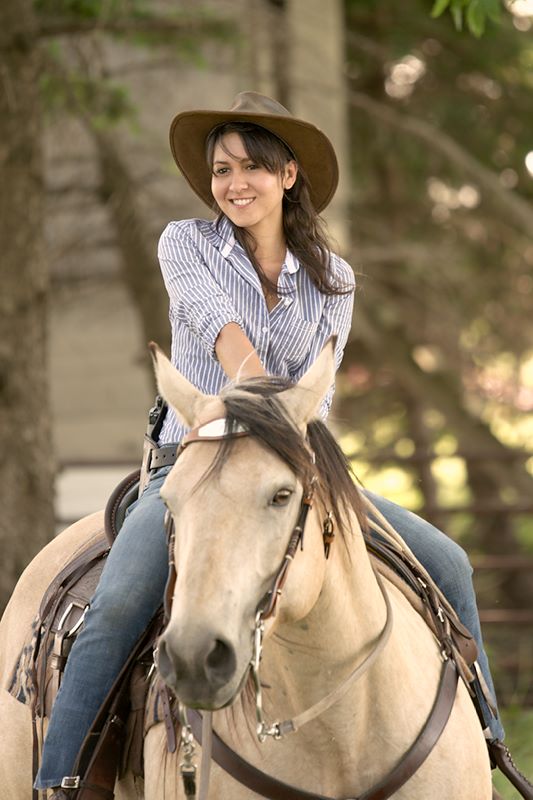
The film image is from March of 1994, and was shot on Kodak “Gold 200-2 5096” according to the edge marks. Looks like they were processed at Proex. Given the date, I probably shot them with an Olympus OM-4T (I decided to switch to AF and got the Nikon N90 that fall). They were scanned on a Nikon Coolscan 5000 ED at full resolution, with no grain reduction, and then the curves were adjusted to make the picture look decent.
So, here’s the full film image (click through for somewhat bigger version):

The above crops are both “100%”, i.e. 1:1 pixels from my digital file (the full-size versions you get when you click through above are).
Not horrible, certainly; zooming in to “100%” is what gives pixel-peeping a bad name, and is rarely good for anything except making relative comparisons.
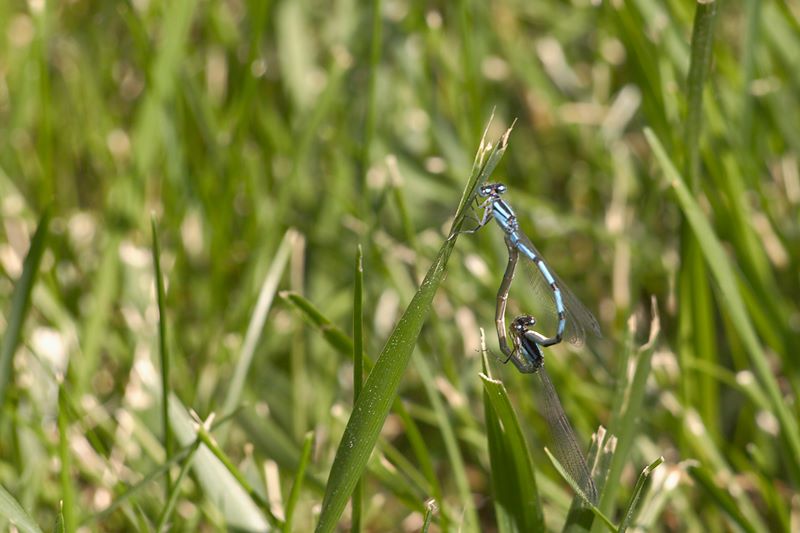
Here’s digital example, taken earlier this month with my D700. It was taken at ISO 200, just like the film. I made minor curves adjustments to make it look a bit better. The full-size version, sized down (click through for 900-pixel version):

And that is why I personally am not a fan of film, at least in comparison to digital.
You really don’t want to see the comparison at ISO 1600. I scanned some Ektapress 1600 Professional (PPC) last night. Scary boulder grain! Amazing electric blue sparklies through all the shadows!